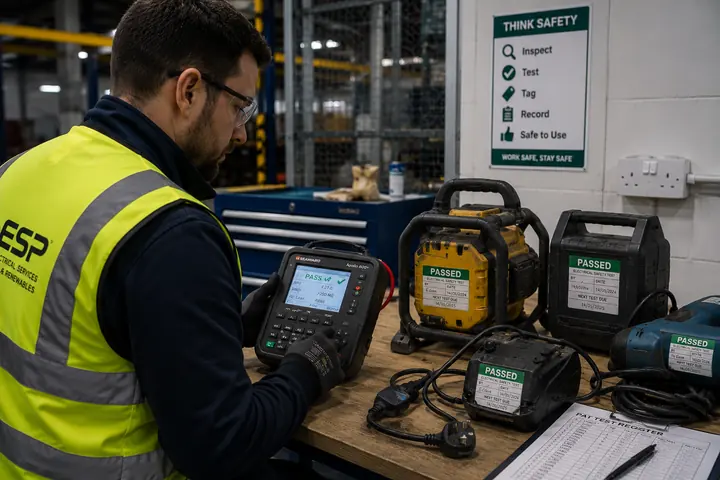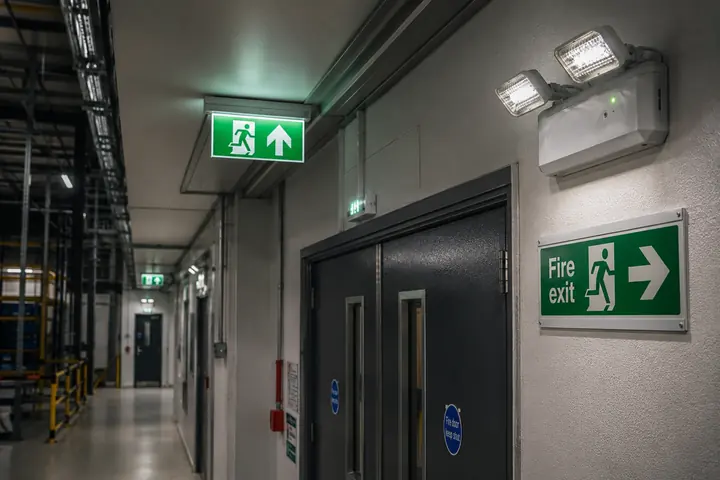

Most businesses only think about their electrical installation when something goes wrong. A breaker trips, a production line stops or the lights fail in part of the warehouse, and suddenly it is the most important system on site. Planned preventative maintenance (PPM) turns that around, so problems are found and fixed on your schedule rather than at the worst possible moment.
Why Reactive Repairs Cost More
An emergency call out is rarely just the cost of the repair. There is lost production, staff standing idle, missed deliveries and sometimes damage to equipment caused by the fault itself.
Many electrical failures give warning signs long before they happen: loose connections, overheating components, worn contactors and failing batteries. A planned programme is designed to catch them early.
What an Electrical PPM Schedule Includes
Every site is different, but a typical schedule for a commercial or industrial building might include:
- Periodic inspection and testing, with EICRs at the recommended intervals
- Thermal imaging surveys of switchgear and distribution boards while under load
- Emergency lighting tests, monthly and annually, with log book records
- RCD testing to confirm protective devices trip when they should
- Distribution board inspections, checking terminations, labelling and circuit charts
- Lighting maintenance, replacing failed fittings and checking controls and sensors
- Machine supply checks, including isolators, cables and connections to key equipment
- EV charger and renewables checks, where systems are installed
The frequency of each task is based on your equipment, how hard it works and the risk to your business if it fails. A distribution centre running around the clock needs a different approach to a small office.
The Benefits
- Less downtime: faults are found during planned visits, not in the middle of production.
- Lower costs: small repairs made early prevent expensive failures later.
- Compliance: a documented maintenance programme helps show you are meeting your duties under the Electricity at Work Regulations 1989.
- Insurance: insurers increasingly expect to see evidence of regular inspection and maintenance.
- Better planning: condition reports help you budget for upgrades instead of facing surprise bills.
Planned and Reactive Support Together
Even the best maintained site will occasionally have a fault. The advantage of a PPM contract is that your electrical contractor already knows the installation, holds up to date records and can respond quickly. On the assembly lines at Cummins Turbo Technologies, we continue to provide ongoing maintenance support long after the original installation.
Getting Started
We start with a site survey to understand your installation, your equipment and how your business operates. From there, we build a schedule around your working hours, so maintenance happens with as little disruption as possible. Learn more about our planned and reactive maintenance services.
Frequently Asked Questions
How often should planned maintenance visits take place?
It depends on your site and equipment. Many businesses have quarterly or six monthly visits, with tasks such as EICRs and full duration emergency lighting tests scheduled at their own intervals.
Can maintenance be carried out outside working hours?
Yes. We schedule visits around your operation, including evenings and weekends where needed.
Want fewer surprises from your electrical installation? Contact Econ Electrical to discuss a planned maintenance programme for your site.