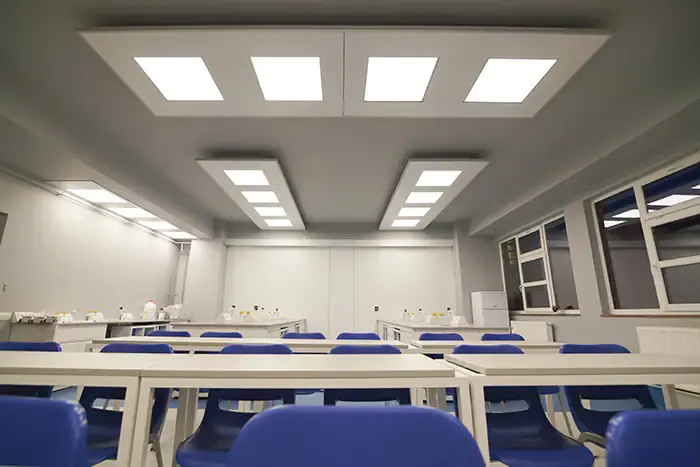
Energy is one of the largest costs for any school after staffing, and lighting accounts for a big share of it. Classrooms, halls, corridors and sports facilities are lit for long hours, often with older fluorescent fittings that are expensive to run and maintain. Upgrading to LED is one of the most effective ways for a school to cut its energy bills, and there are several routes to funding the work.
The Benefits of LED Lighting in Schools
- Lower energy bills: LED fittings use significantly less electricity than fluorescent lighting for the same light output.
- Less maintenance: LEDs last far longer than fluorescent tubes, so there are fewer lamps to replace, particularly in halls and sports areas where access is difficult.
- Better learning environments: modern fittings give even, flicker free light with less glare, and can be dimmed to suit the lesson.
- Smarter control: presence and daylight sensors switch off or dim lights automatically in empty rooms and bright classrooms.
- No more hunting for tubes: most T5 and T8 fluorescent tubes can no longer be sold in Great Britain, so replacement stock will only get harder to find.
Funding Routes for Schools in England
Funding changes from year to year, so it is always worth checking what is currently open. The main routes schools and trusts have used for lighting upgrades include:
- Condition Improvement Fund (CIF): eligible academies, sixth form colleges and voluntary aided schools can bid for capital funding for condition projects, which can include replacing failing lighting.
- School Condition Allocations: larger multi academy trusts and local authorities receive condition funding directly and decide which projects to prioritise.
- Devolved Formula Capital: an annual capital allocation paid to schools, which can contribute to smaller lighting projects.
- Salix Finance: Salix has delivered government backed energy efficiency funding for the public sector, including interest free loans and grants that schools and academies have used for LED lighting.
- Local authority and trust energy programmes: many councils and trusts run their own energy efficiency schemes, so speak to your estates or finance team.
Building a Strong Case
Whichever route you choose, a well prepared application stands a better chance of success:
- Gather your energy data: recent electricity bills and, if available, half hourly data from your supplier.
- Get a lighting survey: a survey records your existing fittings, running hours and light levels, and shows exactly where the savings will come from.
- Show the payback: funders want to see how quickly the savings repay the investment.
- Include condition evidence: fittings that are failing, obsolete or below the light levels a classroom needs all strengthen a condition bid.
- Plan the installation: show that the work can be completed during the holidays with minimal disruption.
Planning the Work Around the School Year
We plan school lighting projects around term dates, carrying out work during holidays, evenings and weekends wherever possible. An upgrade is also the ideal time to check emergency lighting coverage and bring it up to date.
How Econ Electrical Can Help
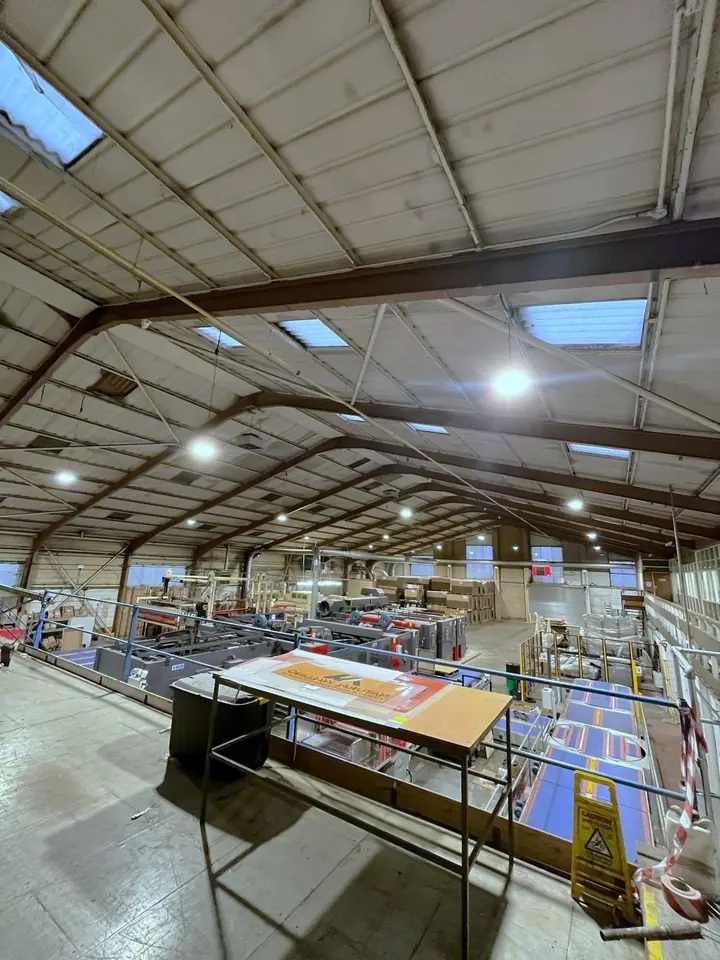
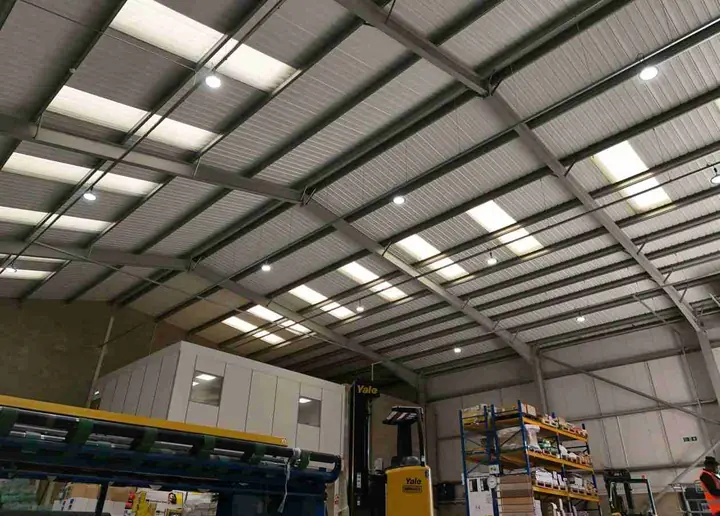
We provide lighting surveys, design and installation for schools, academies and public buildings, and we can supply the technical information and savings estimates you need to support a funding application. See our high bay LED case study for the kind of results a well planned upgrade can achieve.
Thinking about an LED upgrade for your school? Contact Econ Electrical to arrange a lighting survey.